

Is a Smart Ring Really Right for You? A Practical Guide to Choosing Your First Smart Ring
A realistic perspective before buying your first Smart Ring
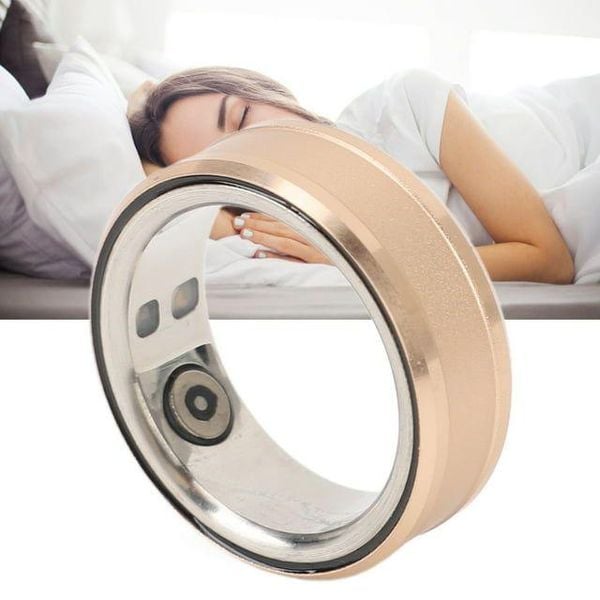
Many people turn to Smart Rings not because they love technology, but for a very simple reason: sleeping with a smartwatch is uncomfortable.
The weight on the wrist. The glow of a screen at night.
Notifications that serve no purpose while you are trying to rest.
We want to track our health, but we do not want technology to constantly demand attention.

Smart Rings emerged as a different kind of solution.
Small, discreet, screen-free, quietly collecting data in the background.
But before choosing your first Smart Ring, there is a more important question than price or brand:
Is a Smart Ring actually compatible with your lifestyle and habits?
What a Smart Ring Is, and What It Is Not
A Smart Ring is a passive health-tracking device. You wear it, forget about it, and let it collect data over time.
Popular models such as Oura Ring 4, Samsung Galaxy Ring, or Amazfit Helio Ring all follow the same philosophy:
- No screen.
- No constant alerts.
- No interruption to daily life.
One thing needs to be clear from the start: A Smart Ring is not a medical device.
Even when certain models offer ECG or irregular heart rhythm alerts, these features are meant for early signals and awareness, not diagnosis.
Think of a Smart Ring as a health journal.
It does not make decisions for you.
It reflects what is happening in your body over time.
Who a Smart Ring Is For, and Who It Is Not
A Smart Ring may be a good fit if you:
Want long-term health tracking rather than instant feedback
Care about sleep quality and circadian rhythm
Prefer not to wear a screen while sleeping
Are comfortable letting insights develop gradually over time
A Smart Ring may not be right for you if you:
Want to check metrics constantly throughout the day
Expect real-time interaction like a smartwatch
Rely on devices to make health decisions for you
Tend to lose interest after a few weeks
Not everyone needs a Smart Ring. And realizing that it is not for you is also a valid decision.
What Matters More Than Specifications
When researching Smart Rings, it is easy to get caught up in feature lists.
More sensors - More metrics - More data.
In reality, the factors that determine whether you will actually keep wearing a Smart Ring are rarely found on a spec sheet.
Comfort Is Non-Negotiable
A Smart Ring that tracks everything but feels uncomfortable will eventually end up unused.
- Typing on a keyboard.
- Gripping objects.
- Sleeping on your side.
These are small moments that only become obvious after weeks of wearing a ring.
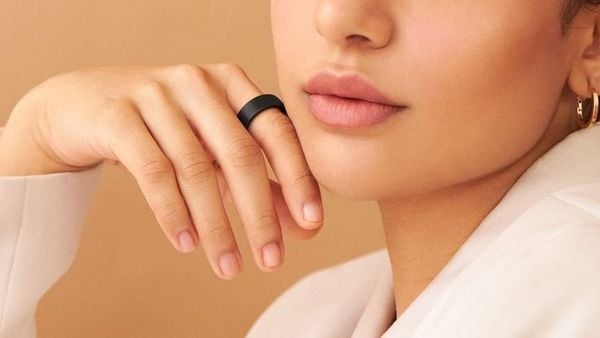
A Smart Ring only delivers value when you forget that you are wearing it.
Data Interpretation Matters More Than Data Volume
Two Smart Rings can measure the same metric, yet explain it in completely different ways.
Some brands prioritize:
Clear, summarized insights
Simple explanations that guide behavior
Others present:
Raw data
More responsibility on the user to interpret patterns
Neither approach is universally better. What matters is whether you want guidance or prefer to analyze data on your own.
The App Experience Shapes Long-Term Use
Many people stop wearing Smart Rings not because of hardware issues, but because of the app experience.
Apps that feel overwhelming.
Apps that show numbers without context.
Apps that do not encourage regular check-ins.
The app is the brain of a Smart Ring. If it does not communicate in a way you understand, you will gradually disengage.

Battery Life and Daily Rhythm
Battery life is not just a number.
It affects:
How often you need to charge
Whether you forget to put the ring back on
How continuous your data history remains
A Smart Ring that needs frequent charging can quietly disrupt the very rhythm it is meant to track.
Understanding the Limits Prevents Disappointment
Smart Rings collect biometric data from the finger.
It is a sensitive location, but also one that is easily affected.
Incorrect sizing, room temperature, hand movement during sleep, prolonged stress.
All of these can influence readings.
Most importantly: A Smart Ring provides signals, not conclusions.
When Should You Start Choosing a Smart Ring?
Only after you:
Understand what a Smart Ring can offer
Accept its limitations
Let go of obsession with specifications
That is when it makes sense to ask the practical question: Which Smart Ring should you choose?
A Practical Checklist for Choosing a Smart Ring
Step 1 – Define Your Budget
Most Smart Rings today fall within the $200–$500 range, depending on materials and ecosystem.
More affordable options like Amazfit Helio Ring or 9Fit Smart Ring are suitable for first-time users.
Higher-end options like Oura Ring 4 focus more on advanced insights and software experience.
A higher price does not mean more numbers.
It often means greater consistency and refinement over time.
Step 2 – Subscription and Ongoing Commitment
Some Smart Rings provide full access after purchase.
Others require a subscription to unlock deeper insights.
The real question is not cost.
It is whether you will actually return to the app often enough to benefit from it.
Step 3 – Your Phone Ecosystem Matters
Most Smart Rings support both Android and iOS, but real-world experience can differ.
Samsung Galaxy Ring integrates more naturally with Samsung and Android devices.
Oura Ring 4 offers a balanced experience across platforms.
A Smart Ring is not just a ring. It is hardware, software, and habit combined.
Step 4 – Identify the Features That Truly Matter to You
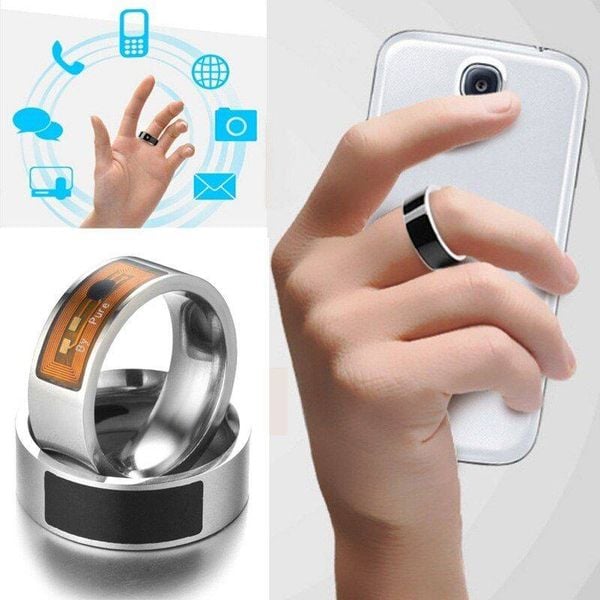
RingConn Gen 2 stands out with early sleep apnea signal detection.
Circular Ring 2 and RingConn Gen 2 offer ECG and Afib monitoring at a reference level.
Amazfit Helio Ring and 9Fit Smart Ring focus on simplicity and accessibility.
More features do not automatically lead to a better experience.
Step 5 – Protruding Sensors or Flush Design
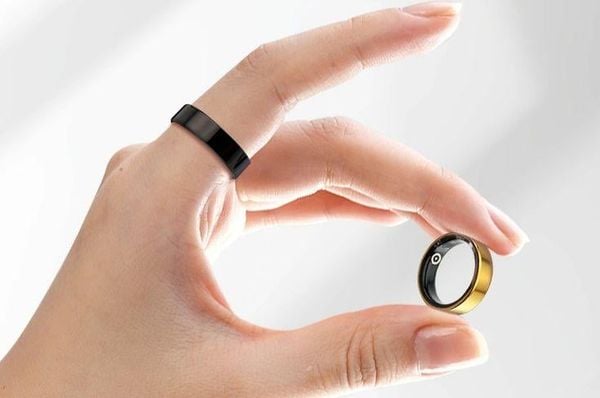
All Smart Rings place sensors on the inner surface. The difference lies in whether those sensors protrude slightly or remain flush.
This detail affects comfort during typing, gripping objects, and sleeping.
Models like Oura Ring 4 are often praised for their flush sensor design and long-term wearability.
Even minor discomfort can lead users to stop wearing a Smart Ring altogether.
Step 6 – Ring Size: A Small Error, a Big Consequence
Unlike jewelry, Smart Ring sizing directly impacts data accuracy.
Too tight causes discomfort. Too loose results in inconsistent sensor contact.
Brands such as Samsung, Oura, and Amazfit provide sizing kits for a reason.
This step often determines whether a Smart Ring becomes a daily companion or a forgotten gadget.

Step 7 – Finish and Aesthetics
A Smart Ring is worn every day. Not just during workouts or sleep.
If its design does not align with your style and daily environment, you are less likely to keep wearing it consistently.
Step 8 – When a Smart Ring Starts to Deliver Value
A Smart Ring does not show its value immediately.
First 2–3 months: curiosity and exploration
Around 6 months: patterns begin to emerge
After 1 year: enough data to truly understand your body
A Smart Ring does not change your health.
It reflects what you do with your body, quietly and honestly.
Which Type of Smart Ring Is Right for You?
If you are new, prioritize simplicity and consistency.
If you care deeply about sleep and recovery, choose deeper insights.
If you are invested in a specific ecosystem, integration matters.
If you see a Smart Ring as a long-term companion, software quality outweighs specs.
Final Thoughts
A Smart Ring is not a gadget to try out of curiosity. It is a small but long-term commitment to your own health.
If you want a device that:
Stays out of your way
Reduces distraction
Tracks quietly in the background
Then a Smart Ring may be worth considering.
👉 You can check the AI Devices & Wearables Category List to focus on practical value and ease of use, rather than following trends blindly.
💡 The best technology helps you understand yourself better, not feel more overwhelmed.
(Some links on our site may be affiliate, meaning we may earn a small commission at no extra cost to you.)
Subscribe now !
Be the first to explore smart tech ideas, AI trends, and practical tools – all sent straight to your inbox from IkigaiTeck Hub

IkigaiTeck.io is an independent tech publication sharing practical insights on AI, automation, and digital tools.